Silence in Kyoto: A Sanctuary Guide for the Conscious Explorer
Stepping away from mainstream travel corridors to experience ancient Zen gardens, wooden architecture, and quiet tea rituals in Japan's historic heart.
Article Outline
1. The Poetics of Japanese Space
To enter Kyoto with an open mind is to recalibrate your perception of noise, speed, and spatial design. Known for centuries as the imperial capital, the city harbors over two thousand temples, each designed around the concepts of ma (the negative space between objects) and wabi-sabi (finding beauty in imperfection).
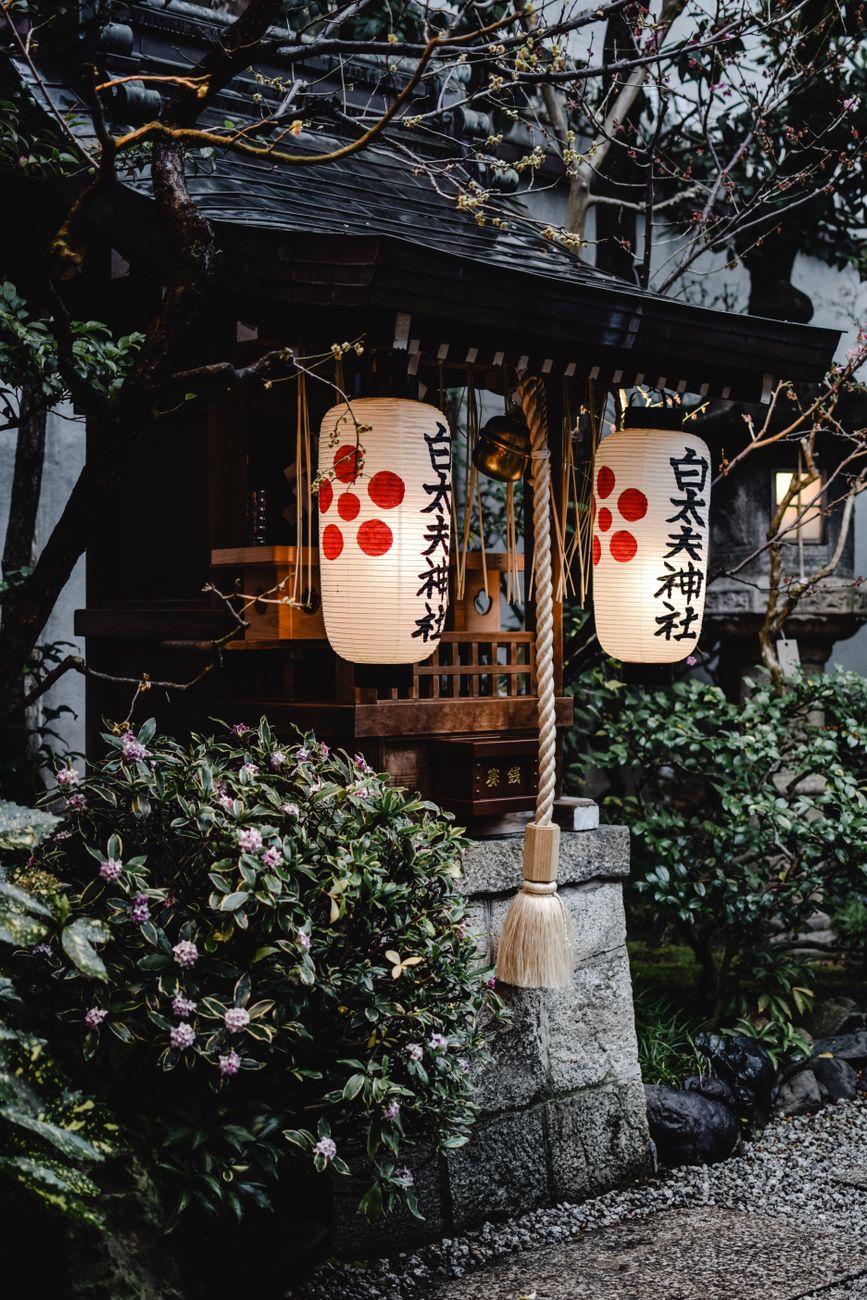
While popular spots like Fushimi Inari and Kinkaku-ji attract large crowds, the real magic of Kyoto unfolds in the quieter northern neighborhood of Murasakino. Here, ancient cedar fences line narrow stone streets, and the scent of incense drifts gently into the cool morning air.
2. Morning Rituals at Daitoku-ji
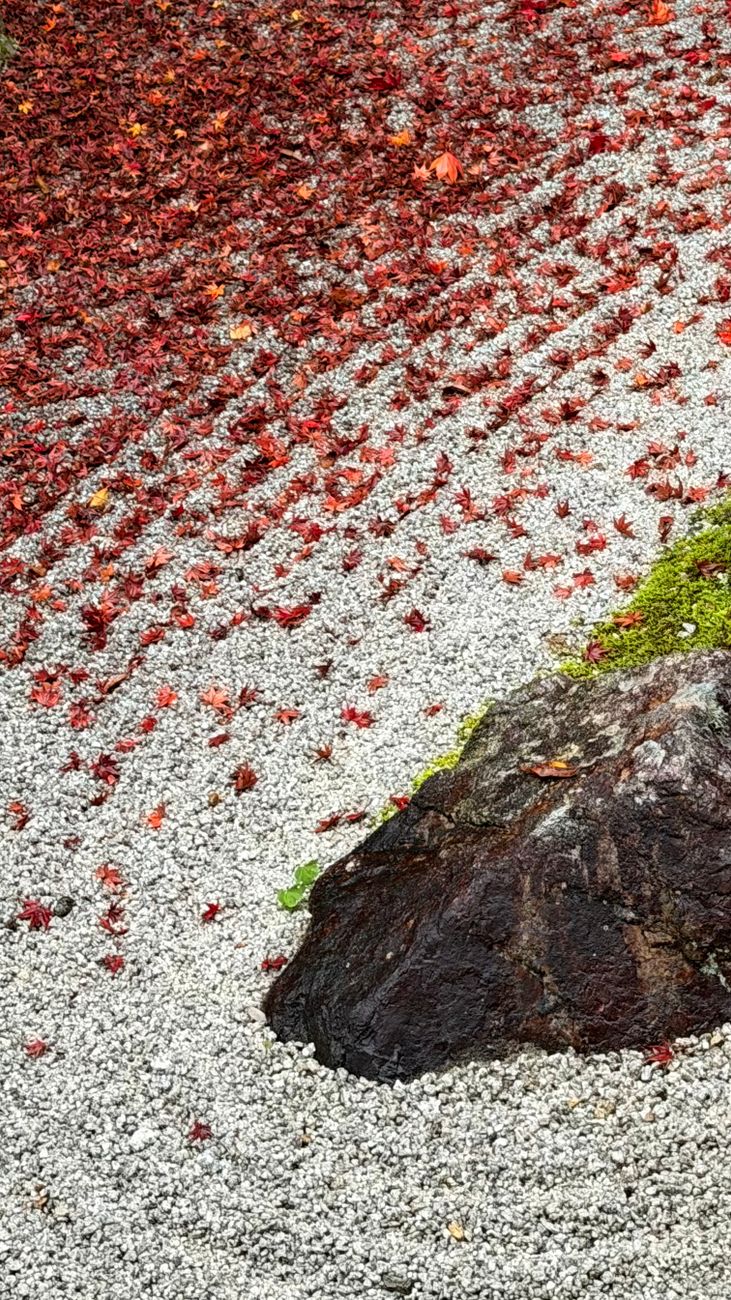
Daitoku-ji is a sprawling complex of Zen sub-temples. Visiting at sunrise offers an opportunity to observe monks raking white gravel into precise wave patterns — a meditative practice designed to represent ocean currents surrounding islands of stone.
Sitting silently on the wooden veranda (engawa) of Zuiho-in, one witnesses how light filters through paper screens (shoji). The architectural geometry frames nature perfectly, bringing garden greenery into dialogue with indoor shadow.
"In the stillness of Kyoto’s courtyards, time loses its urgency. The simple act of observing falling leaves becomes an immersive meditation."
3. Ethical Engagement in Historic Quarters
As Kyoto encounters high visitor volumes, practicing respectful travel is vital. Support small family-run tea shops in Nishijin, respect local residents by observing quiet hours in residential streets, and avoid photography in restricted geisha districts like Gion.
Inspired to Explore Kyoto?
Work with 111111 travel strategists to create a customized itinerary for your upcoming trip to Japan.
Inquire Bespoke Travel